[01 // EXECUTIVE STRATEGY]
Why a Platform?
As new applications emerged, the same concerns kept reappearing: authentication, user management, deployment, monitoring, and eventually AI integration. BaseGeek centralized those responsibilities so application development could focus on domain-specific problems instead of rebuilding infrastructure.
Rather than treating my R&D tools as a collection of independent side projects, I built a cohesive platform core. By standardizing shared services, the speed of subsequent product shipping increased by order of magnitude.
- Authentication & Security
- User Management & Database
- Common AI Integration Layer
- Deployment Automation
- Unified Monitoring & Logging
What the Platform Solved
Rather than repeatedly managing operational complexities for each separate app, BaseGeek centralizes backend concerns. This shifts application development to a thin client implementation focus, maximizing code reuse.
Shared Authentication & Security
Eliminated separate login workflows. All apps securely communicate via JWT auth handled centrally.
Unified User Management
A single Postgres user engine scales authorization roles across all apps automatically.
Single Deployment Workflow
A standard CI/CD and Docker compose standard minimizes manual environment setup.
Common AI Integration Layer
Standardized LLM client instances, unified system prompts, and structured JSON parsing libraries.
Centralized Monitoring
Unified container log streams and health checks accessible through a single console.
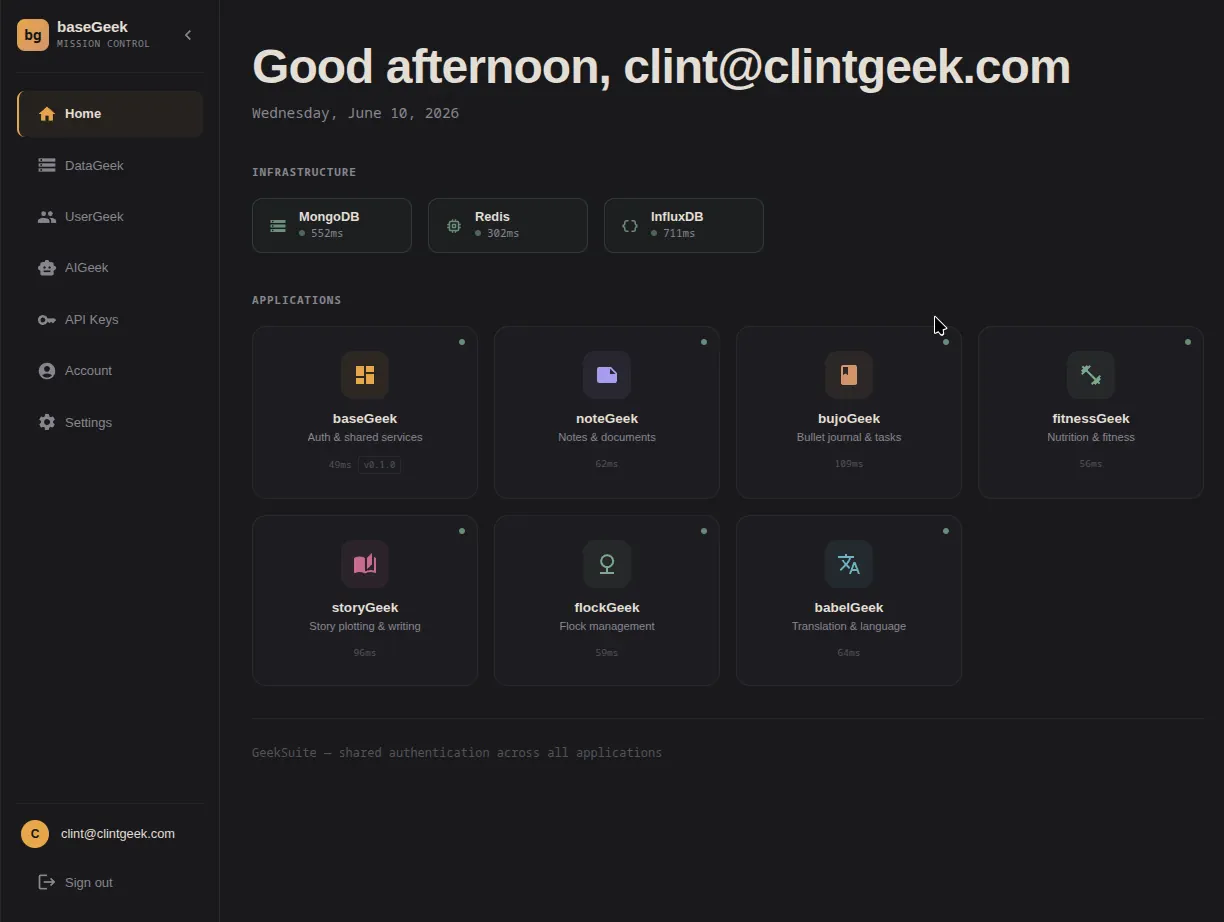
BaseGeek Dashboard
The central administrative interface of the GeekSuite ecosystem. BaseGeek monitors resources, handles cross-app database migrations, exposes shared API endpoints, and orchestrates user accounts. This dashboard is the proof of the platform's visual and systemic reality.
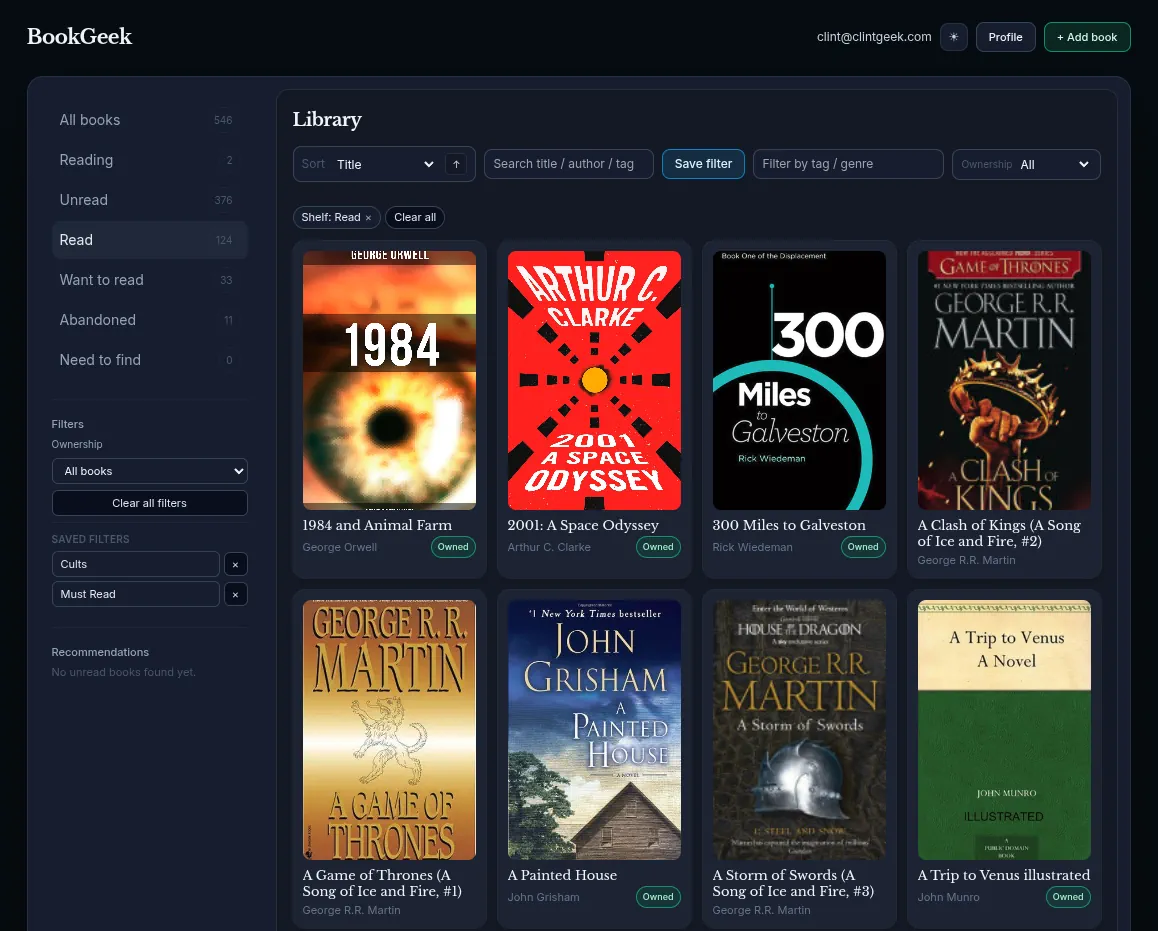
BookGeek
Personal library database focused on high-performance structured search, multi-layered filtering, metadata management, and clean workflow UI.
// React • TypeScript • Search API
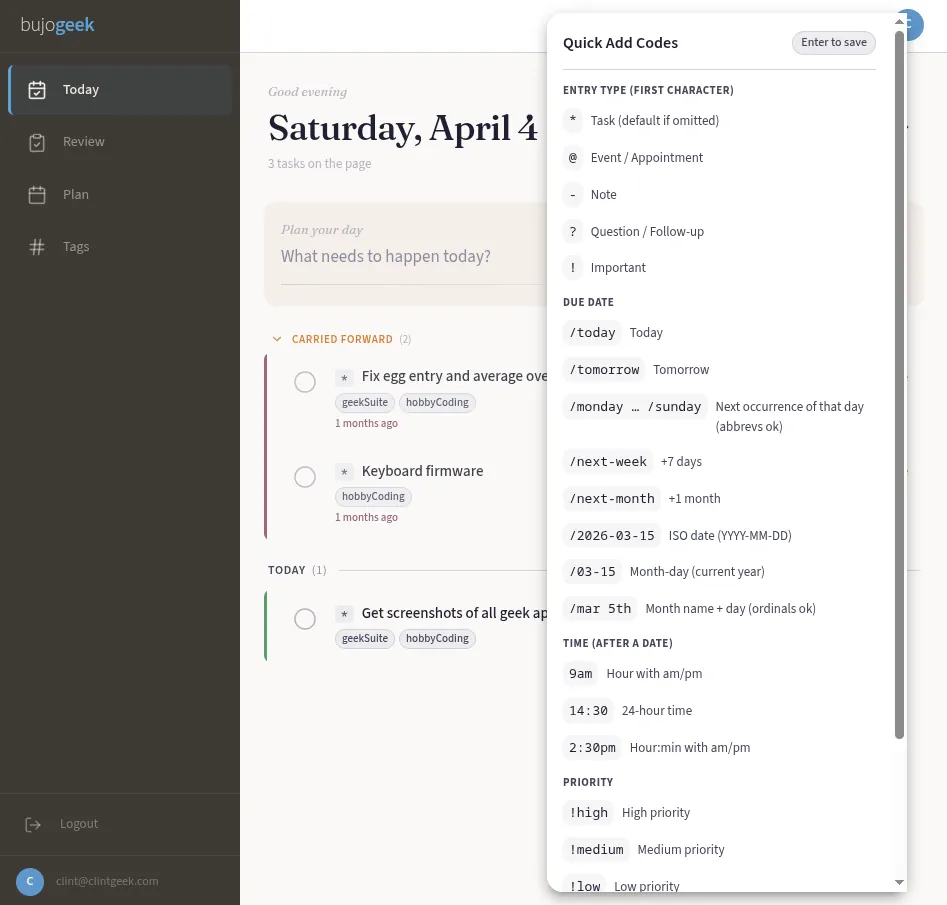
BujoGeek
Workflow-oriented productivity system utilizing natural language parsing to instantly transform journal logs into structured operational tasks.
// NL Parsing • Workflows • User UX
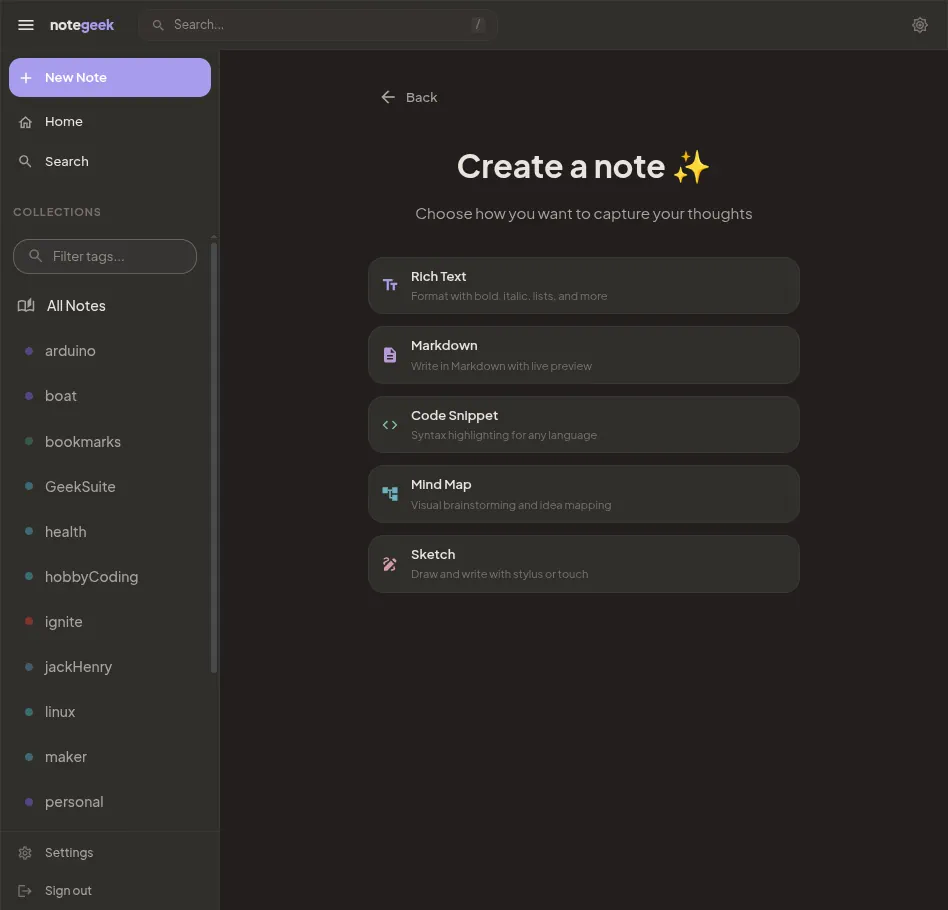
NoteGeek
Extensible developer-focused notebook featuring markdown support, tag relationships, and hierarchical file systems integrated with static asset hosting.
// Markdown • Editor API • Information Design
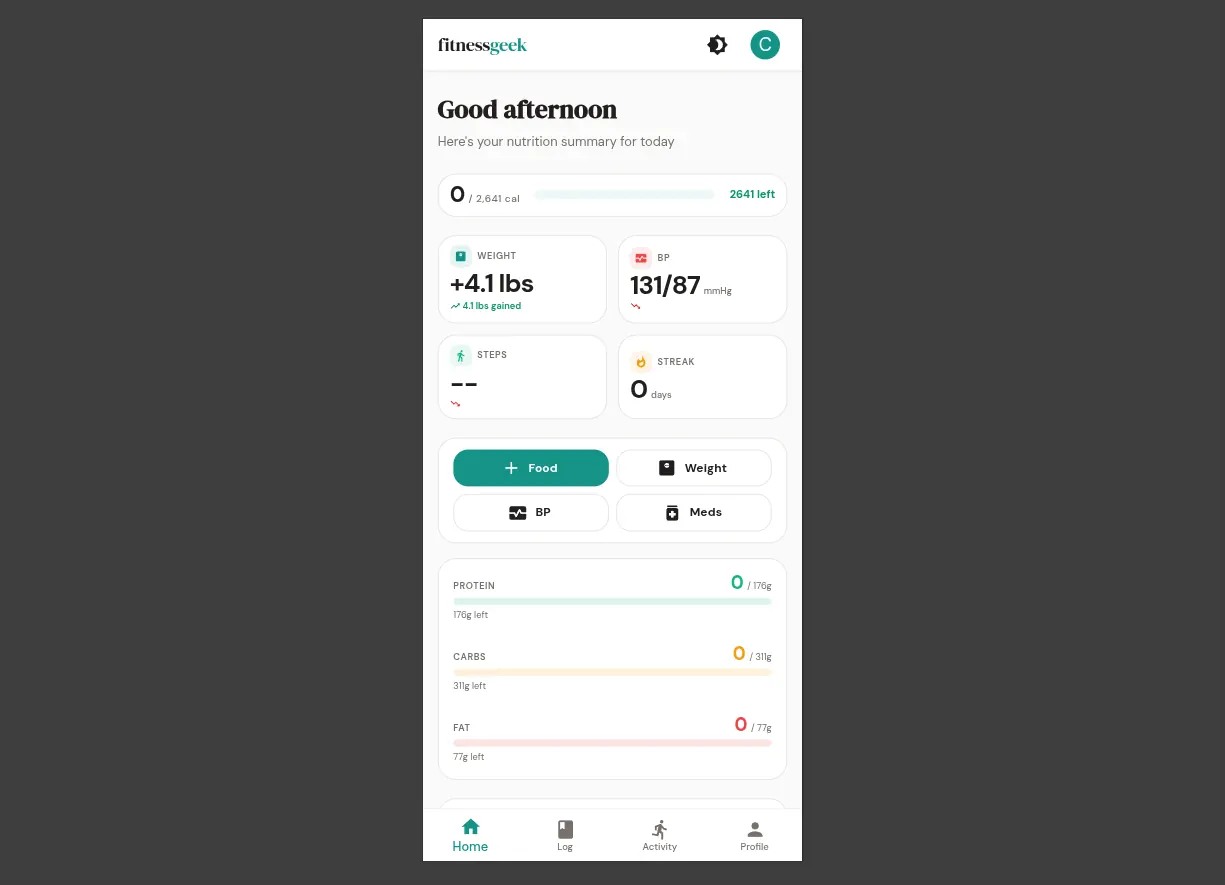
FitnessGeek
Mobile-first tracking app focused on daily health logging, metrics visualization, and performance tracking with responsive data feeds.
// Mobile Web • Charting • Habit UI
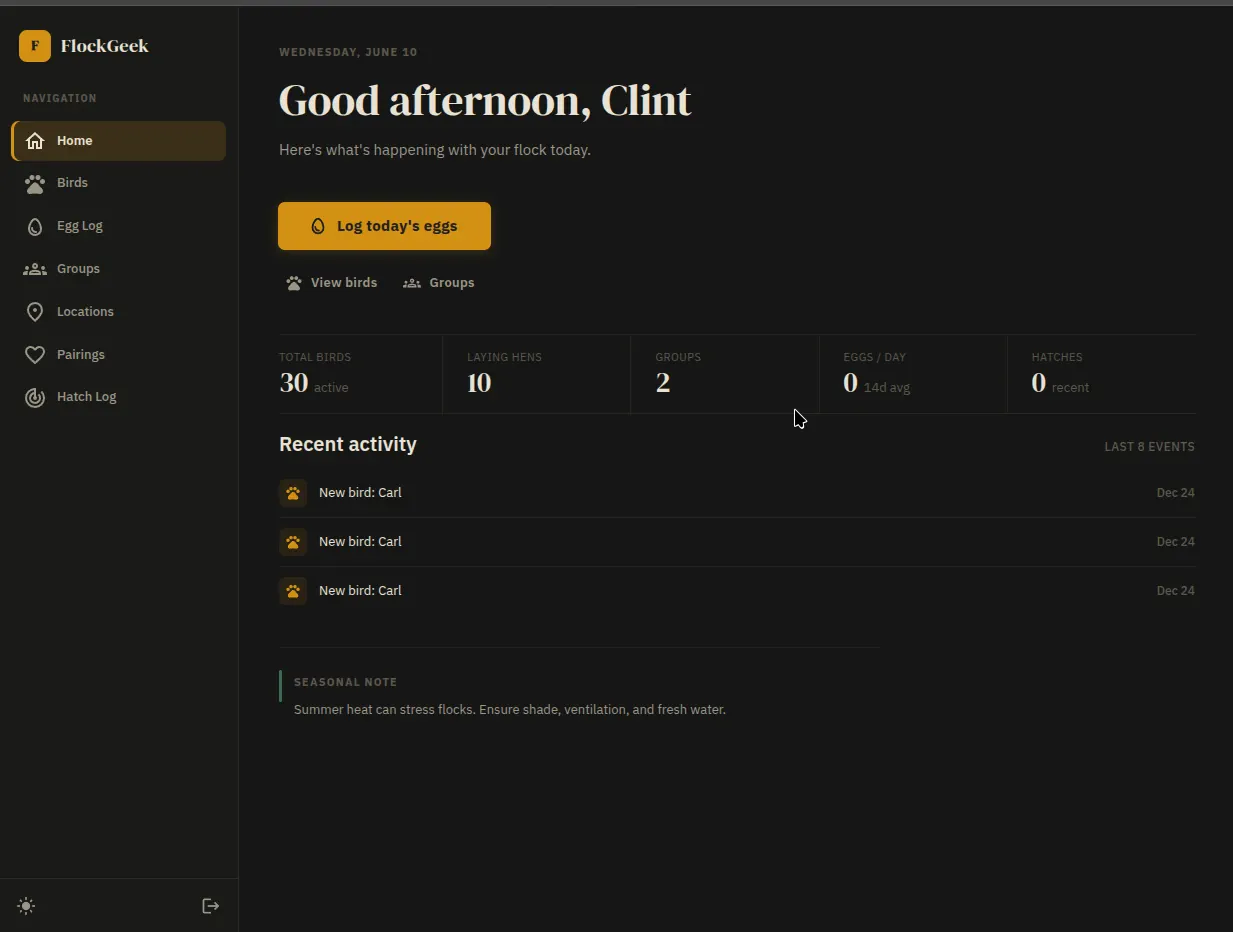
FlockGeek
Real-world operational inventory and lifecycle tracking engine. Shipped rapidly by consuming BaseGeek's established data models and auth layer.
// Domain Transfer • Lifecycle Ops • Postgres
BabelGeek
Translation and localization engine. Built to automate multi-language dictionary mapping and local dictionary synchronization using BaseGeek's centralized AI translation agent tools.
// AI Localization • API Sync • Dict Parsing
Specialized microservice interface mapping localization keys and translating static dictionary text via platform LLM connectors.
StoryGeek
Narrative planner and storyline compiler. Exposes structured character mapping and chapter graphing databases. Leverages platform-wide storage layers and workspace state files.
// Graph DB • Workspace State • Prompt Engines
Creative outlining application mapping relational structures between story beats, plot lines, and AI outlined milestones.
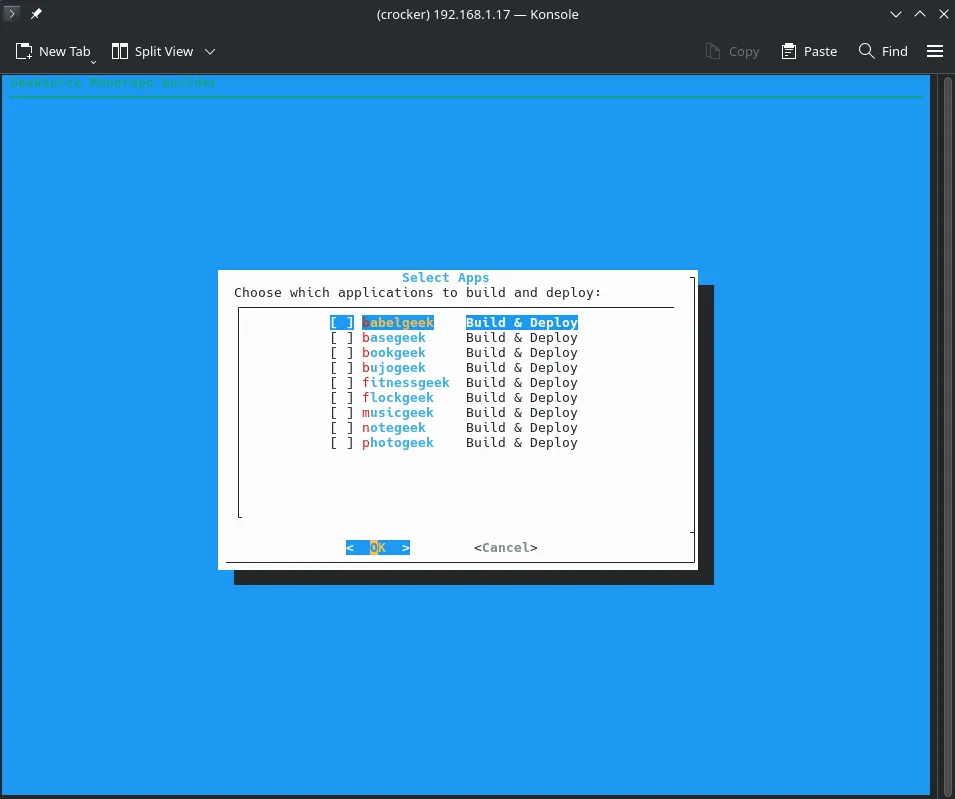
Deployment Automation (GeekSuite Builder)
OPS_AUTOMATION // ORCHESTRATEA custom NCURSES-style CLI deployment builder running operations across the monorepo. This quirky, automated manager streamlines local development container build processes, orchestrates container lifecycles, and standardizes environments across the stack.
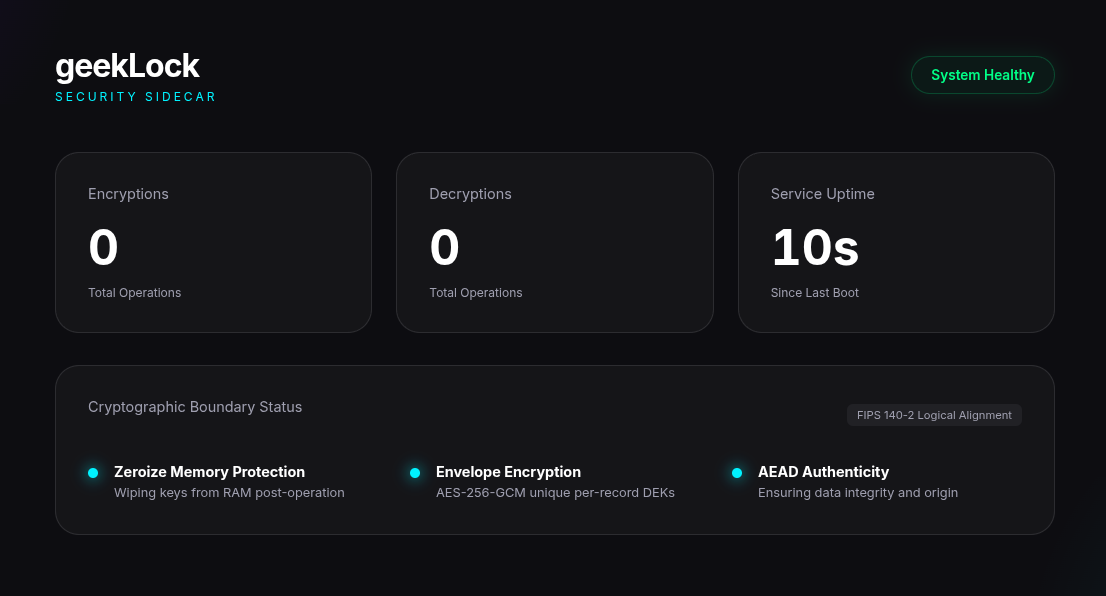
Centralized Platform Security
PLATFORM_SECURE // ENCRYPTHigh-performance data protection. The platform isolates secrets and handles credentials utilizing specialized Rust utilities designed for near-instant encryption at rest with high concurrency capabilities.
Infrastructure Monitoring
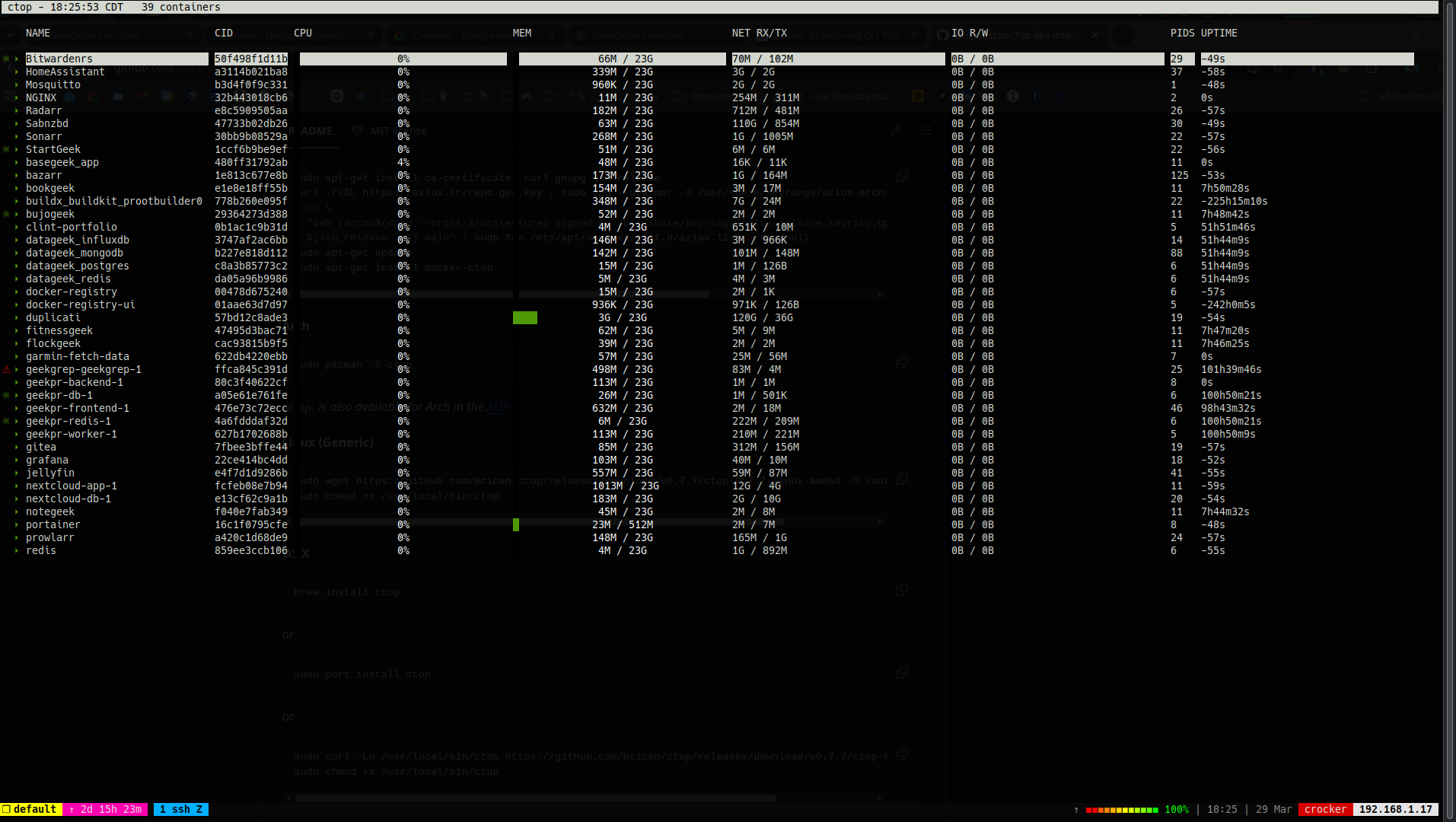
PLATFORM_METRICS // STATUSSingle window performance tracking. Real-time resource metrics, container diagnostics, memory footprint data, and Docker network interfaces are mapped continuously for immediate platform health visibility.
Evolution of the Platform
Standalone Applications
Built early utilities (BujoGeek, BookGeek) independently. Each project contained isolated database mappings and custom, manual routing configurations.
Duplicate Auth & User Logic
Friction emerged when introducing NoteGeek and FitnessGeek. Rewriting standard credentials and database management patterns repeatedly highlighted major architectural inefficiencies.
BaseGeek Consolidation
Extracted core databases, centralized identity engines, and created BaseGeek as a shared backend framework. Standalone app code bases shrank in size and complexity.
Shared AI Services
Consolidated LLM API endpoints and prompt engineering layers within BaseGeek. AI capabilities instantly became accessible to all apps without duplicate libraries.
Centralized Deployment Tooling
Built GeekSuite Builder. Standardized Docker container orchestrations across all apps, eliminating local machine setup friction.
Rapid Application Delivery
The platform reached operational maturity. New specialized apps (like FlockGeek, BabelGeek, StoryGeek) are now deployed in hours by building strictly domain UI on top of BaseGeek API layers.
Design Decisions Revisited
Every system architecture decision comes with trade-offs. Documenting the gaps and iterating based on real-world development friction is key to leading healthy platforms.
Initially duplicated authentication across applications
Instead of standardizing auth early, early tools deployed local account structures. This fragmented user profiles and created sync issues until BaseGeek extracted single token workflows.
Deployment patterns evolved independently before standardization
Each application had custom configurations. This led to environment differences and drift. Consolidating into standard Docker Compose blueprints under the custom Builder CLI restored parity.
AI capabilities were added before a common integration layer existed
Early LLM endpoints were coded directly into BujoGeek, wasting API tokens and duplicating schema verification libraries. Standardizing prompt layers on BaseGeek optimized token traffic and security.